


Wuthering Waves
4.311.67K Reviews
App Specs
- Version
- 3.6.0
- Updated On
- License
- Free
- Downloads
- 10,000,000+
- Developer
- HK KURO GAMES LIMITED
- Categories
- Action
- Platform
- Android, iOS
Screenshots


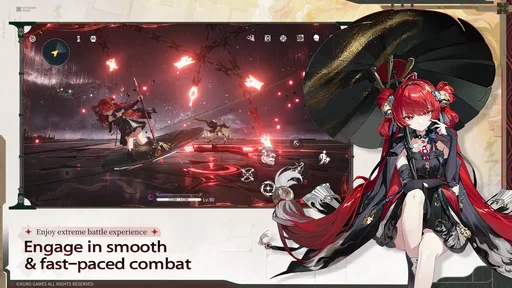
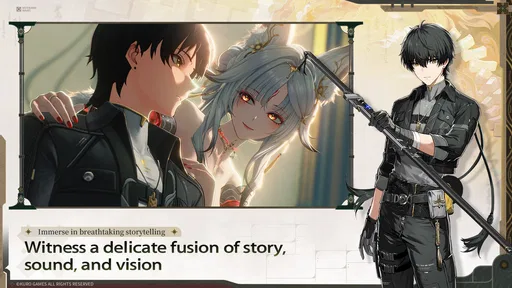

 Analysis by AppCompare
I approached Wuthering Waves expecting a demanding action RPG rather than a quick pick-up-and-play diversion, and that distinction matters on a phone. Its appeal comes from combining combat, exploration, and a story-led world, so the best sessions are the ones where I have enough time and attention to settle in. The visual ambition is a big part of the draw, but it also sets expectations: this is not the kind of game I would choose when I only want something lightweight to fill a few spare minutes.
Speed expectations on a mobile screen
In moment-to-moment play, the combat is built around timing and deliberate decisions, not simply tapping as quickly as possible. That gives fights a satisfying sense of pace when I’m focused, while also making interruptions more noticeable: a sudden pause or divided attention can make a carefully timed encounter less enjoyable. I’d treat it as an action game that rewards concentration, rather than a casual game that works equally well with half an eye on something else.
The world invites a different rhythm. I can spend a session moving between story beats, exploring, or simply taking in the scenery, so progress does not have to mean constant combat. That flexibility is useful on mobile: if I have a short window, I can focus on one manageable activity instead of trying to turn every session into a major expedition. The trade-off is that the game feels most rewarding when I can give it enough uninterrupted time to follow what I’m doing.
What heavier sessions ask of you
Combat, exploration, dialogue, and detailed environments all compete for attention, and the experience can feel more demanding during busy stretches than during quiet travel. I wouldn’t assume every phone will present those moments in exactly the same way. A device’s age, available storage, and what else is running can affect how comfortable a large mobile game feels, so it is sensible to close unused apps and leave room for the game before starting a longer session.
One practical habit is to avoid beginning a story sequence or difficult fight when I know I’ll need to stop immediately. I get more from the game when I can finish a section cleanly, then take a break while exploring or after a clear stopping point. That is not a special trick; it is simply a better fit for a game whose appeal depends on following its action and narrative rather than dipping in and out every few seconds.
Reliability and the feel of play
My overall impression is shaped by how much the game asks from the player as well as by what appears on screen. When the controls and combat flow together, movement feels purposeful and encounters are engaging. When I’m distracted or trying to rush, the same systems can feel less forgiving. That makes a steady routine more useful than expecting the game to work as a frictionless background activity.
It is also worth separating a game’s design from a particular device’s performance. A visually ambitious open world can place different demands on different phones, and I would check that my device has enough room and meets the Android requirement before committing to a large download. If smooth action is my priority, I’d try a short session first and see how my own phone handles it, rather than judging performance from someone else’s setup.
Worth Reading Before You Choose

Flipboard Shows What News Apps Must Do Beyond the Feed

Switching to Android Auto Means Rethinking Your Driving Routine

Google Calendar Makes a Crowded Week Easier to Manage

Ludo King Makes the Most of the Minutes Between Plans

Baby Panda World Brings Quick Play to Modern Phones, but Its Game Library Feels Busy

ESPN’s Live Game View Makes Following Close Games Easier
Who will enjoy this kind of commitment?
I’d recommend it most to players who like exploring between fights, learning how combat works, and following a story over multiple sessions. The combination gives me reasons to return beyond simply repeating battles. If I prefer brief rounds, minimal narrative, or a game that asks almost nothing of my device, I’d look elsewhere in the action category; a simpler pick-up-and-play game is likely to fit that routine better.
For an everyday example, imagine having a quiet stretch after dinner. I could use it to explore a small area, take on a quest, or focus on a fight without watching the clock every minute. On a crowded commute with frequent interruptions, I’d be more cautious: the same session may be harder to enjoy if I keep having to put the phone away. Matching the game to the time available makes a real difference to whether its size feels exciting or demanding.
First Impressions and Gameplay
So, the first thing that hit me when I booted up Wuthering Waves was the breathtaking visuals. It's like stepping into a painting where every stroke and color has a purpose. The world is richly detailed with dynamic weather changes and day-night cycles that make the experience feel almost lifelike. I mean, who knew pixels could be this pretty?
Gameplay-wise, it’s got a fluid combat system that keeps you on your toes. It’s not just about hacking and slashing; you need to strategize and time your attacks. The game rewards creativity and skill, so button-mashing won’t get you far. The controls are intuitive, and honestly, it’s a joy to just run around the world, exploring every nook and cranny.
Storyline and Characters
The storyline is where Wuthering Waves truly shines. It’s deep, engaging, and full of twists that keep you hooked. Without giving too much away, you play as a mysterious character navigating a world that's recovering from a cataclysmic event. Along the way, you meet a host of intriguing characters, each with their own stories and motivations. It’s like reading a good book—only you’re part of the action!
Character development is on point. You’ll find yourself getting attached to the characters, rooting for them, and even shedding a tear or two during emotional moments. The voice acting deserves a shoutout too; it adds a layer of depth to the narrative that’s often missing in mobile games.
Exploration and Quests
If exploring is your thing, you’re going to love this game. The world is vast, and there’s always something new to discover. Whether it’s hidden treasures, secret pathways, or epic boss battles, the game keeps you engaged and curious. Quests are varied and never feel like a chore. They’re well-integrated into the storyline, so you always feel like you’re contributing to the world’s lore.
The level of detail in the environment is impressive. You can interact with almost everything, and the physics engine makes the world feel alive. It’s the kind of game where you’ll lose track of time just wandering around and taking in the sights.
Soundtrack and Audio
Now, let’s talk about the soundtrack. It’s an absolute masterpiece! The music perfectly complements the game’s atmosphere, enhancing the emotional depth of the storyline. From serene melodies during exploration to heart-pounding tracks during combat, the audio experience is top-notch. Make sure to play with headphones on; it’s worth it!
Progression, spending, and practical trade-offs
There is a useful distinction between the price of starting and the cost of optional purchases. The game is free to play, with in-app purchases ranging from $0.99 to $99.99 per item. I’d begin without spending and first work out whether I enjoy the combat, exploration, and story enough to keep playing. If I later consider a purchase, I’d decide on a personal limit beforehand rather than letting a moment of frustration or excitement make the decision for me.
That approach is especially sensible in a long-form game: enjoyment should come from the time I spend playing, not from assuming that a purchase is required to make the experience worthwhile. Players who dislike optional spending or prefer a one-time purchase with a clear total cost may find a conventional paid action game a better match. Here, I would treat purchases as a choice, not as a reason to download the game in the first place.
There are also small choices that make sessions more comfortable. I’d use headphones when the surroundings are quiet enough to appreciate the score, but keep the volume at a sensible level if I’m playing away from home. For combat, holding the phone securely and giving the screen my full attention matters more than trying to play one-handed while multitasking. These are simple adjustments, yet they suit a game where timing and atmosphere both contribute to the experience.
Choosing a device and setting expectations
The Android minimum is version 7.0, and the current version is 3.1.0. Meeting the operating-system requirement is a starting point, not a promise that every compatible phone will feel equally comfortable with a visually rich action game. Before installing, I’d check that I have enough free storage for a substantial game and avoid running several demanding apps alongside it. If my phone is older or already struggles with other graphically intensive games, I’d be cautious about expecting the same experience as on a newer device.
For a fair personal test, I’d play through a short stretch that includes movement and combat, rather than judging the game from a quiet menu or a brief look at the scenery. I’d also notice whether the phone becomes uncomfortably warm or the controls feel cramped during a longer session, then adjust how long I play. This is a practical way to decide whether the game fits my device and habits without treating another player’s experience as a guarantee.
How it sits beside other action games
Compared with a compact action game built around quick, self-contained rounds, this one asks for more commitment to its world and story. That larger scope is the reason I’d pick it when I want to explore and become invested in a setting, but it is also why I would not recommend it as a universal replacement for shorter games. Someone who mainly wants immediate action between errands may be happier with a title that starts and ends a run quickly.
It also offers a different appeal from a strictly story-focused adventure: here, the combat and movement are part of the reason to keep going, rather than just connective tissue between scenes. The balance will suit players who enjoy alternating between narrative and active play. If either part feels like an obligation—long conversations for someone who wants only fights, or repeated action for someone who wants a mostly passive story—another game with a narrower focus may be a better fit.
Where the game asks for patience
Its scale can make it tempting to do everything at once, but I find that a more focused approach is easier to sustain. I’d pick one goal for a session—follow a quest, explore a particular stretch of the world, or practice a combat encounter—and let the rest wait. That keeps a sprawling game from turning into a checklist and makes it easier to stop without feeling that I have failed to make progress.
Not every player will connect with the same story pacing or character moments, either. The narrative is a major part of the experience, which means someone who skips dialogue in most games may not get as much from its quieter stretches. Likewise, exploration works best for me when I enjoy looking around for its own sake; if I only want a direct sequence of fights, the open-world structure may feel like time spent away from the action.
Final Thoughts
All in all, Wuthering Waves offers an immersive gaming experience that’s hard to find on mobile platforms. It's perfect for those who crave a mix of action, exploration, and storytelling. The developers have poured their heart and soul into this game, and it shows in every pixel, sound, and line of dialogue.
That ambition comes with a real device and time commitment, so I would not call it the best choice for every phone or every routine. It is a free action game from HK KURO GAMES LIMITED, rated Teen, and it has earned a 4.4 average from around 451,000 ratings, with over 10 million installs. Those figures suggest a broad audience, but my decision would still come down to whether I enjoy its particular mix of combat, exploration, and story.
If you’re looking for a game that will keep you entertained for hours, challenge your gaming skills, and tug at your heartstrings, then give Wuthering Waves a try. It’s a journey worth taking!
It is most convincing when I can play without rushing, have a phone that handles its visual demands comfortably, and want more than a quick fight. If that describes you, I’d give it a try and judge the first sessions by how much you enjoy the actual rhythm of play—not by how quickly you can clear content. If it doesn’t, choosing a smaller, faster action game is a perfectly reasonable alternative.
So, have you played Wuthering Waves? What did you think of it? Let me know in the comments below!
Pros
- Stunning graphics with detailed environments.
- Engaging storyline that captivates players.
- Smooth and responsive combat system.
- Diverse character customization options.
- Regular updates with new content.
Cons
- Requires a high-performance device.
- In-app purchases can be costly.
- Occasional server connectivity issues.
- Complex controls for beginners.
- Large game size demands ample storage.
FAQs for Wuthering Waves
What is the primary gameplay style of Wuthering Waves?
Wuthering Waves is primarily an open-world action RPG that focuses on exploration and combat. Players can expect an immersive experience with dynamic environments and a rich storyline. The game combines strategic combat with character development, offering a balance of action and narrative-driven quests.
Is Wuthering Waves free to play or does it have in-app purchases?
Wuthering Waves is free to download and play, but it includes in-app purchases. These purchases can enhance gameplay by providing additional resources, cosmetic items, or special characters. While not necessary to enjoy the game, they can offer an advantage or personalize the experience.
What are the system requirements for Wuthering Waves on Android and iOS?
For Android, Wuthering Waves requires a device running Android 8.0 or higher with at least 4GB of RAM. On iOS, it needs iOS 11.0 or later and is compatible with iPhone, iPad, and iPod touch. Ensure your device has enough storage space for smooth performance.
Does Wuthering Waves require an internet connection to play?
Yes, Wuthering Waves requires a stable internet connection. This is to support its online features, including multiplayer interactions, updates, and saving progress to the cloud. A reliable connection ensures the best gameplay experience, especially during cooperative missions or events.
How does character progression work in Wuthering Waves?
Character progression in Wuthering Waves is achieved through leveling up, skill enhancement, and equipment upgrades. Players can unlock new abilities and improve their characters by completing quests and defeating enemies. The game also features a crafting system for creating powerful gear, enhancing strategic play.


